What are Mushrooms?
Mushroom, the conspicuous umbrella-shaped fruiting body (sporophore) of certain fungi, typically of the order Agaricales in the phylum Basidiomycota but also of some other groups. Popularly, the term mushroom is used to identify the edible sporophores; the term toadstool is often reserved for inedible or poisonous sporophores. There is, however, no scientific distinction between the two names, and either can be properly applied to any fleshy fungus fruiting structure.
Although sometimes considered a vegetable, mushrooms are a type of fungus. In a way, mushrooms are like the fruit of a plant. Instead of producing seeds, the mushroom fungus releases millions of microscopic spores that form under the mushroom’s cap. They can grow above ground, on top of the soil, or on the surface of a food source.
Mushrooms are native to North America and Europe and are known for their delicate flavor and meaty texture.
They are also widely known for their amazing health benefits. Packed with a ton of essential vitamins and minerals, mushrooms make for an excellent addition to your diet, adding a great taste to many different recipes.
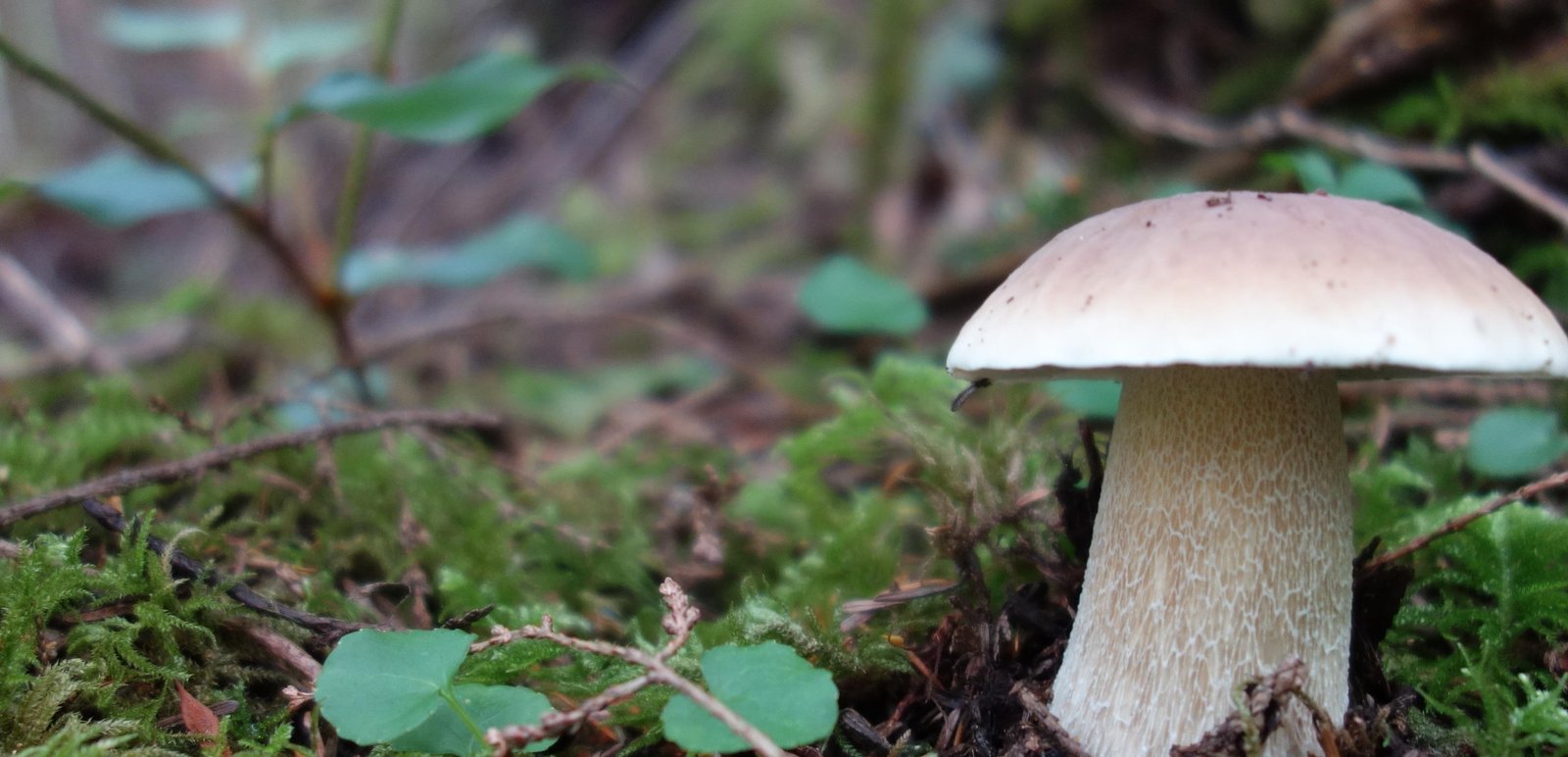
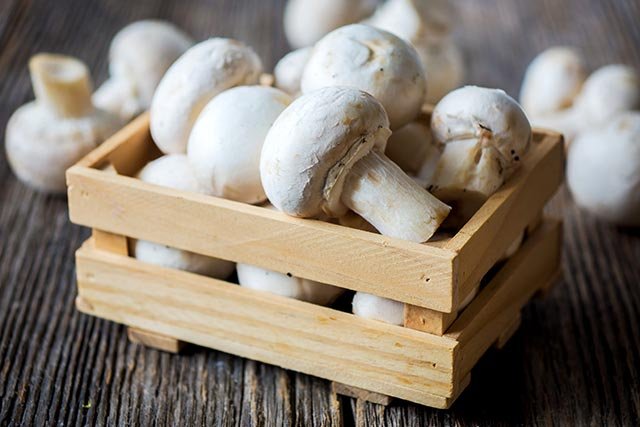
Mushrooms are widely known for their great taste and amazing health benefits. Packed with a ton of essential vitamins and minerals, they make for an excellent addition to your diet, adding flavor to many different recipes. (Photo credit: RooM / Getty Images)
Meet the Mushrooms
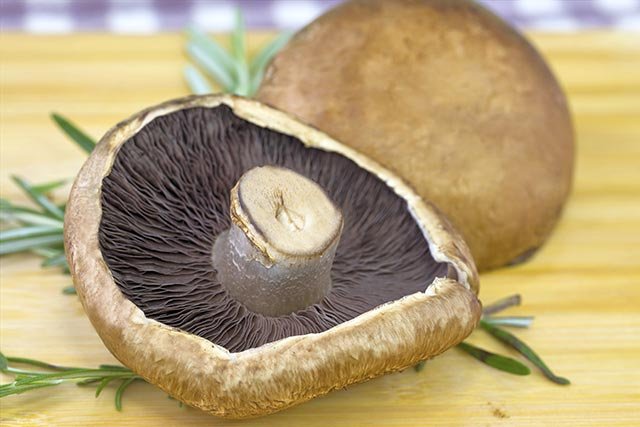
Commercially important, edible mushrooms include portobellos (Agaricus bisporus), whose forms include button mushrooms, cremini, and baby bellas, and shiitake (Lentinula edodes). The morels (Morchella, Verpa) and false morels or lorchels (Gyromitra, Helvella) are popularly included with the true mushrooms because of their shape and fleshy structure; they resemble a deeply folded or pitted conelike sponge at the top of a hollow stem. Some are among the most highly prized edible fungi (e.g., Morchella esculenta). Edible truffles (various Tuber species), which hardly resemble mushrooms, are also popularly labeled as such. These and other edible mushrooms and fungi are free of cholesterol and contain small amounts of essential amino acids and B vitamins. However, their chief worth is as a specialty food of delicate, subtle flavour and agreeable texture.
Poisoning by wild mushrooms is common and may be fatal or produce merely mild gastrointestinal disturbance or slight allergic reaction. It is important that every mushroom intended for eating be accurately identified.
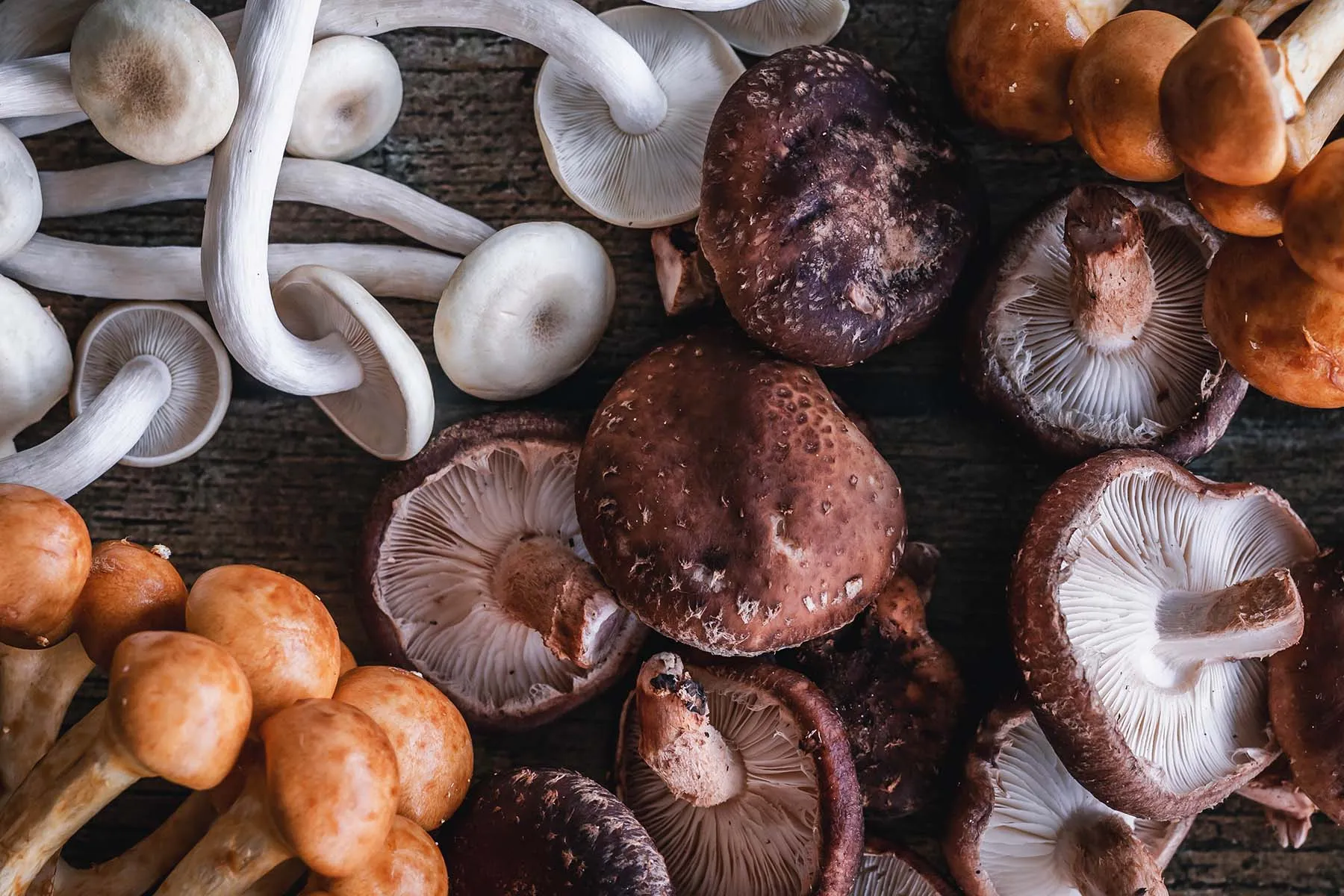
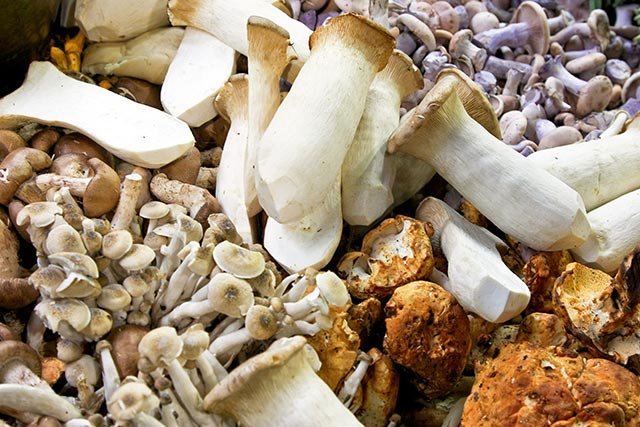
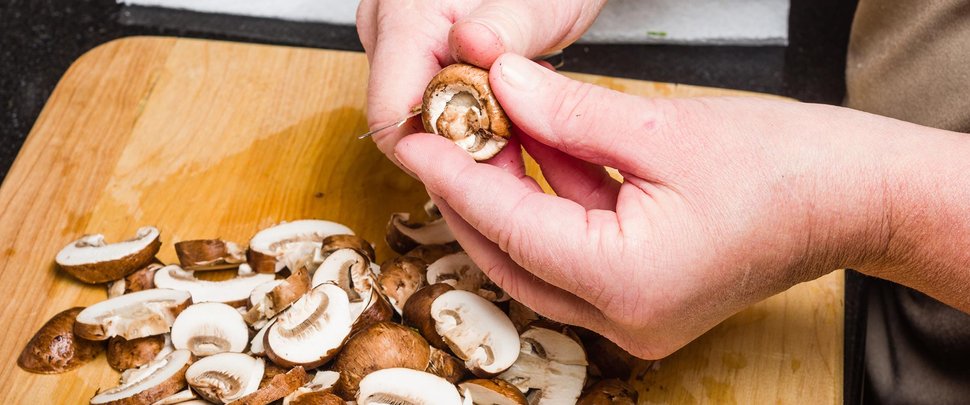
There are more than a million estimated species of fungi. Mushrooms grow in a variety of colors and sizes. Edible mushrooms make up only a small fraction of fungi. Cremini mushrooms are one of the most widely used mushroom varieties, popular in kitchens around the world.
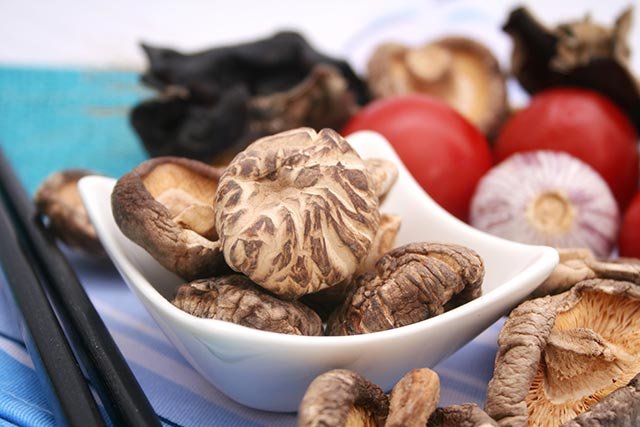
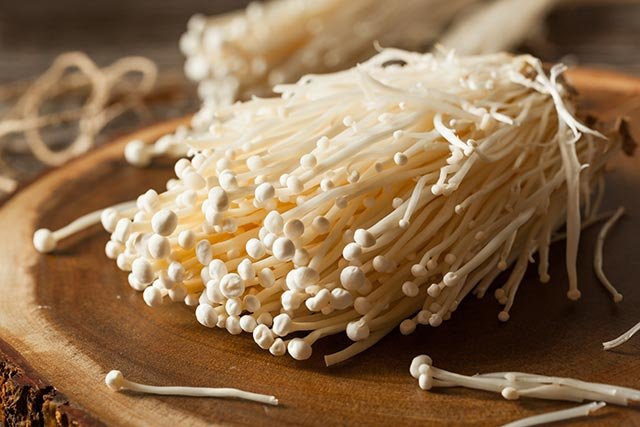
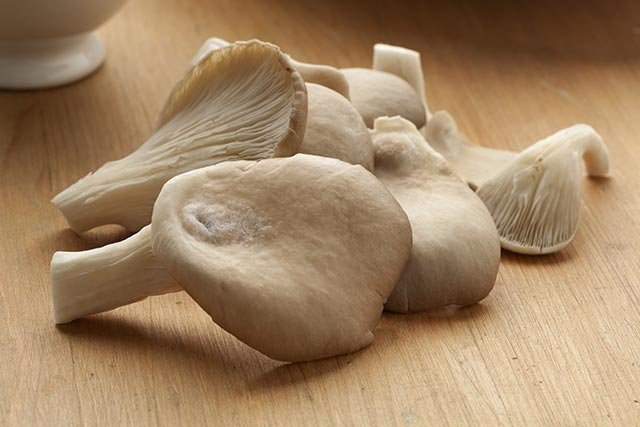
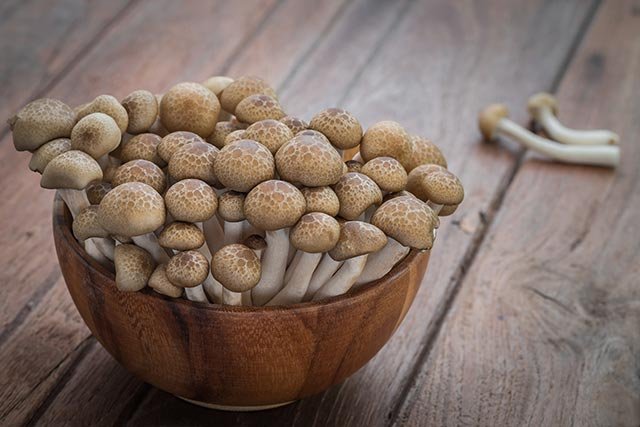
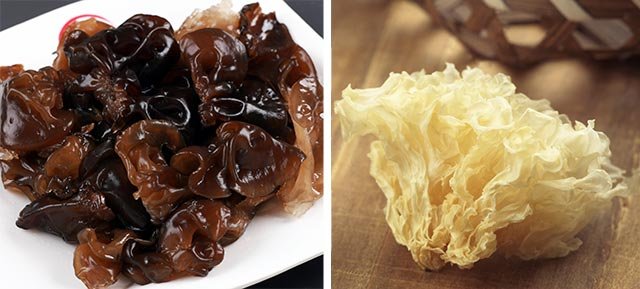
Which is your favourite mushroom? There are many different varieties of mushrooms. Here are the common ones available locally:

Mushroom Nutrition
Mushrooms are one type of such natural flavour-enhancing food that you can use. They are neither meat nor vegetable; they belong to the category of fungi. Still, they are very much a part of our diet (especially if you are vegetarian) and are commonly used in cuisines all over the world.
Mushrooms are a low-calorie food and pack a nutritional punch. Loaded with many health-boosting vitamins, minerals, and antioxidants, they have long been recognized as an important part of any diet. Apart from being delicious, mushrooms are rich in nutrients and can provide nutrition for children as well as nutrition for pregnancy.
Researchers have found a number of other excellent reasons for adding mushrooms to your diet, such as:
- Cholesterol free, and low in calories and fat
- Rich in minerals such as selenium (which acts as an anti-oxidant), iron (to promote growth of red blood cells) and calcium (for better bone health)
- Rich in Vitamin D and B-complex vitamins such as pantothenic acid, riboflavin and niacin which protect our nervous system
- Full of anti-oxidants and natural antibiotics which boost our immune system